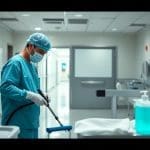
Detroit offers a range of medical facilities that prioritize cleanliness and hygiene, vital for your patient’s safety and well-being. If you’re seeking reliable cleaning services, it’s important to follow specific steps to ensure that your facility meets health standards. In this post, you’ll discover the top seven steps to help you select the best cleaning services tailored for medical environments. By understanding these vital factors, you’ll make informed decisions that enhance the cleanliness and safety of your practice.
Understanding the Importance of Medical Facility Cleaning
Your medical facility’s cleanliness directly impacts patient safety and overall public health. A properly maintained environment helps prevent the spread of infections, ensuring that patients receive care without the added risks associated with unclean spaces. Prioritizing effective cleaning protocols not only protects your patients but also boosts the reputation of your facility in the community.
Infection Control and Prevention
Between various medical procedures and daily interactions, healthcare facilities are breeding grounds for germs and bacteria. Implementing a rigorous cleaning regimen actively reduces the risk of infection, ensuring that surfaces and equipment are disinfected regularly. This proactive approach is necessary for safeguarding the health of both patients and healthcare staff.
Regulatory Compliance
Between the extensive regulations governing healthcare facilities, maintaining clean environments is a requirement for compliance. Healthcare bodies mandate strict hygiene protocols to minimize risks associated with healthcare-associated infections (HAIs). Your facility must consistently align with these standards to avoid fines, penalties, or license issues.
Further, adhering to these regulations not only ensures compliance but also enhances the quality of care delivered in your facility. By following cleaning protocols established by agencies like the Centers for Disease Control and Prevention (CDC) and the Occupational Safety and Health Administration (OSHA), you safeguard your patients’ health and maintain your facility’s integrity. Regular audits and the use of certified cleaning services can help you stay in line with these vital standards.
Choosing a Qualified Cleaning Service
You want to ensure that your medical facility is maintained to the highest standards, which makes selecting a qualified cleaning service important. Look for a company that specializes in medical cleaning and has a solid reputation in your community. Check client reviews, and make sure to ask about their policies on infection control and their approach to cleaning sensitive areas. By prioritizing quality and reliability, you can keep your facility safe for both patients and staff.
Certifications and Training
Between the various cleaning services available, it is important to select one that has relevant certifications and comprehensive training. This ensures that the staff is knowledgeable about the latest industry standards and cleaning protocols, particularly in a medical setting. Look for certifications like OSHA or specific healthcare-related training programs that indicate a commitment to safety and effectiveness in cleaning practices.
Experience in Medical Facilities
Experience in the specific demands of medical facilities is important for effective cleaning services. Having worked in healthcare environments, a cleaning service will understand the unique challenges posed by different areas, such as operating rooms, patient rooms, and waiting areas. This experience helps in the development of tailored cleaning plans that address specific needs, ensuring an environment that supports health and safety.
Certifications also play a significant role in a cleaning service’s experience. A service that has experience working with medical facilities often has a deep understanding of the specific compliance regulations, such as those set by the CDC and EPA. These certifications indicate that they are trained in using specialized cleaning techniques and products that are safe and effective in preventing healthcare-associated infections, making them an indispensable choice for your facility.
Cleaning Protocols and Techniques
It is important to implement effective cleaning protocols and techniques to ensure the highest level of hygiene in medical facilities. Your cleaning team should follow established guidelines that focus on a systematic approach to eliminate harmful pathogens while minimizing cross-contamination. Utilizing the right methods can significantly enhance the overall cleanliness and safety of your medical environment, which is imperative for patient care and staff welfare.
Disinfection Methods
At the core of your cleaning strategy should be robust disinfection methods designed to kill viruses and bacteria on all surfaces. Utilize EPA-registered disinfectants that are effective against a broad spectrum of microorganisms, and be sure to employ the correct dwell times for maximum efficacy. Regular disinfection of high-touch areas is particularly important to protect both patients and healthcare workers.
Use of Personal Protective Equipment (PPE)
Before you begin on cleaning tasks in a medical facility, it is vital to don the appropriate personal protective equipment (PPE) to safeguard yourself from exposure to infectious agents. This includes gloves, masks, and gowns, which form the first line of defense against contamination. By utilizing PPE correctly, you not only protect yourself but also maintain a safer environment for others.
Techniques for using PPE effectively should include proper training on how to put on and remove this equipment to avoid any cross-contamination. Ensure that you also select the right type of PPE based on the specific cleaning tasks and potential exposure risks. Regularly inspect your PPE for any damage, and replace it as needed. This proactive approach not only enhances safety but reinforces your commitment to maintaining a sanitary health facility.
Frequency of Cleaning Services
All medical facilities must establish a regular cleaning schedule to maintain a hygienic environment. Frequent cleaning not only ensures compliance with health regulations but also helps minimize the spread of infections. By determining the appropriate frequency for your specific needs, you enhance patient care and staff safety while contributing to the overall efficiency of your operations.
Daily Cleaning
Services provided on a daily basis are crucial in a medical facility to ensure that common areas, patient rooms, and bathrooms remain spotless and safe. Daily cleaning routines should include surface disinfection, waste removal, and floor care. Prioritizing these tasks helps prevent contamination and promotes a healthy environment for both staff and patients.
Deep Cleaning Procedures
With deep cleaning procedures, you address areas of your facility that require more thorough attention beyond daily upkeep. These tasks are typically performed less frequently but are vital for maintaining high cleanliness standards.
This involves techniques such as scrubbing and disinfecting hard-to-reach surfaces, utilizing specialized equipment, and ensuring proper sanitation of high-touch areas. Incorporating deep cleaning into your facility’s schedule allows you to eliminate hidden contaminants and reduces the risk of infection, creating a safer environment for everyone.
Monitoring and Quality Assurance
Unlike standard cleaning services, reliable medical facility cleaning in Detroit places a strong emphasis on monitoring and quality assurance. To ensure that your facility meets the highest health and hygienic standards, consistent oversight is vital. Regular inspections and audits by trained staff can help maintain cleanliness and identify areas for improvement, ensuring that your facility continues to comply with stringent regulations and provides a safe environment for patients and staff alike.
Performance Metrics
Performance metrics are key indicators that help you evaluate the effectiveness of your cleaning services. By tracking things like cleanliness scores, response times, and compliance with protocols, you gain valuable insights into the quality of service being provided. Regularly reviewing these metrics allows you to make data-driven decisions that enhance the overall sanitation of your facility.
Customer Feedback
One of the best ways to assess the quality of your medical facility cleaning service is by gathering customer feedback. Your staff and patients can provide firsthand insights regarding their experiences and perceptions of cleanliness within the facility. This feedback is not only valuable for identifying strengths and weaknesses but is vital for continuous improvement.
And taking customer feedback seriously demonstrates your commitment to maintaining a pristine environment. By implementing surveys and encouraging open dialogue, you can better understand the expectations and experiences of your staff and patients. Use this information to refine cleaning routines, address concerns promptly, and ultimately enhance the overall perception of cleanliness in your facility.
Cost Considerations
After determining your facility’s cleaning requirements, it’s important to consider the financial aspects. Evaluating various cleaning service options based on cost will help you establish a budget that aligns with your facility’s needs without sacrificing quality. An effective cleaning solution is not just about the price but also how it impacts your overall operational efficiency and health standards.
Budgeting for Cleaning Services
Before you finalize your cleaning service selection, you should create a budget that reflects your facility’s priorities and frequency of cleaning. Factor in all costs associated with the services, including any specialized equipment or eco-friendly products that may be required. This will help you make informed decisions about which cleaning services fit within your financial framework.
Value Over Cost
Budgeting for a cleaning service is beneficial, but investing in quality services can yield greater long-term rewards.
The emphasis on value over mere cost is vital, as choosing the lowest-priced option can lead to subpar cleaning standards. By prioritizing reliable and experienced cleaning services, you safeguard your facility’s health and safety. Investing in quality cleaning enhances the patient experience, boosts staff productivity, and ultimately saves you money by reducing the frequency of deep cleaning or maintenance expenses. Balancing cost with long-term value will ensure that your facility remains a safe and welcoming environment for everyone.
Summing up
Ultimately, ensuring reliable medical facility cleaning services in Detroit requires careful attention to detail and adherence to established standards. By following the top seven steps outlined, you can enhance the safety and cleanliness of your facility. Focus on hiring trained professionals, utilizing proper equipment, and implementing a comprehensive checklist. Regular audits and continuous training will further solidify your commitment to cleanliness. With these practices in place, you will foster a healthier environment for your staff and patients alike, solidifying your facility’s reputation in the community.
Q: What are the key factors to consider when choosing a medical facility cleaning service in Detroit?
A: When dicking out a medical facility cleaning service, consider their experience in healthcare settings, compliance with OSHA regulations, and the use of appropriate cleaning products and techniques. Evaluate their training programs for staff, the range of services offered, and their reputation in the industry. Look for customer reviews and testimonials to gauge their reliability and quality of work.
Q: How often should medical facilities in Detroit undergo professional cleaning services?
A: The frequency of professional cleaning for medical facilities can vary based on the type of facility and the services provided. Generally, high-traffic areas and treatment rooms should be cleaned daily, while less frequented areas can be cleaned on a weekly or bi-weekly basis. It’s imperative to establish a cleaning schedule that meets the needs of the facility and complies with health department regulations.
Q: What specific cleaning protocols should be implemented in medical facilities to ensure safety and hygiene?
A: Medical facilities should implement infection control protocols that include routine cleaning and disinfecting of surfaces, equipment, and high-touch areas. The use of EPA-approved disinfectants is necessary, along with proper training for cleaning staff on techniques to minimize cross-contamination. Regular monitoring and evaluation of cleaning practices can help maintain high standards of hygiene and safety within the facility.