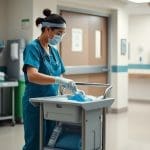
With the increasing focus on patient safety and infection control in healthcare facilities, it is vital for you to implement effective cleaning services. Maintaining a high standard of cleanliness not only protects your patients and staff but also enhances the overall environment of your facility. In this post, you will discover five key steps that will help you ensure your cleaning services meet the specialized needs of your healthcare settings, providing peace of mind and promoting a healthier atmosphere for everyone involved.
Understanding the Importance of Healthcare Cleaning
Your healthcare facility’s cleanliness significantly impacts the overall health outcomes of patients. Effective cleaning services not only enhance the aesthetic appeal but also mitigate the risk of infections and promote a safe environment. A commitment to maintaining pristine spaces can lead to improved patient satisfaction and trust in your facility, ultimately influencing recovery rates and overall public perception of healthcare quality.
The Role of Cleanliness in Patient Safety
For patients, a clean healthcare environment is synonymous with safety and well-being. High levels of cleanliness help prevent hospital-acquired infections (HAIs), which can adversely affect recovery and even prolong hospital stays. By prioritizing cleanliness, you actively contribute to safeguarding the health of your patients and fostering a culture of health and safety in your facility.
Regulatory Standards and Compliance
With increasing emphasis on hygiene in healthcare settings, adherence to regulatory standards is imperative. These guidelines ensure that cleaning practices meet specific criteria designed to protect patients and staff from infectious diseases. Compliance not only safeguards your facility but also enhances its reputation and credibility within the healthcare community.
Further, understanding the various regulations concerning healthcare cleanliness, such as CDC and OSHA guidelines, can help you implement the best practices in your facility. Regular training and updates for your cleaning staff on these standards are necessary to ensure compliance. Investing in quality cleaning services not only adheres to regulatory requirements but also fortifies your commitment to patient safety and care excellence.
Developing a Comprehensive Cleaning Strategy
There’s no doubt that an effective cleaning strategy is fundamental to maintaining a safe healthcare environment. This includes outlining cleaning schedules, identifying high-touch areas, and ensuring that all cleaning staff are trained in required protocols to uphold hygiene standards. You should regularly assess these strategies to adapt to changes in facility operations or updates in health regulations.
Assessment of Cleaning Needs
Before you can implement an effective cleaning strategy, it’s important to assess your facility’s specific cleaning needs. Conduct a thorough evaluation of different areas within your healthcare facility, considering factors such as foot traffic, types of services provided, and any recent infection outbreaks. This assessment will provide you with valuable insights into what areas require more frequent attention and which products are most effective.
Customizing Cleaning Protocols
To create an effective cleaning strategy, you should customize your cleaning protocols to suit the unique requirements of your healthcare facility. This can involve creating tailored cleaning checklists and selecting appropriate cleaning agents that meet both safety and effectiveness criteria.
It’s important to engage with your cleaning staff when customizing these protocols, as their on-the-ground insights can help identify specific challenges or considerations. You should also consider the different patient populations your facility serves, as their needs may dictate variations in cleaning procedures. Regularly reviewing and updating these protocols ensures they remain relevant and effective in promoting a clean and safe healthcare environment.
Selecting Qualified Cleaning Staff
You need to ensure that the cleaning staff you select for your healthcare facility are thoroughly qualified to meet the unique standards of cleanliness and safety necessary in such environments. This includes checking for proper training, relevant certifications, and experience in handling healthcare settings. By selecting the right personnel, you can enhance the overall quality of cleaning services and maintain a healthy environment for both patients and staff.
Training and Certification Requirements
Cleaning staff in healthcare facilities must comply with specific training and certification requirements to properly handle biohazards, infection control, and use of specialized cleaning products. Ensure that your staff undergoes training that meets industry regulations and standards, as this knowledge is vital for maintaining safety and hygiene in your facility.
Importance of Experience and Expertise
Staff with experience in healthcare cleaning are more adept at identifying potential hazards and implementing effective cleaning procedures that reduce the risk of contamination. Their expertise allows them to work efficiently and effectively, ensuring high standards of cleanliness. This experience also helps them to navigate unexpected challenges that may arise in a healthcare setting.
Training and experience together foster a knowledgeable cleaning staff that can maintain a consistently clean and safe environment. Through practical experience, they learn to adapt their cleaning methods to suit different areas of the facility, understanding where pathogens are most likely to reside. This skill set not only contributes to infection control but also builds confidence among patients and employees in the facility’s cleanliness standards.
Implementing Effective Cleaning Techniques
Many healthcare facilities face the challenge of maintaining a clean and safe environment. To achieve this, you must implement effective cleaning techniques tailored to specific areas within your facility. This involves using systematic approaches that prioritize high-touch surfaces and ensure that all areas receive adequate attention. By establishing a routine that focuses on thoroughness, you can greatly reduce the risk of contamination and create a healthier atmosphere for patients and staff alike.
Use of Proper Equipment and Supplies
Any successful cleaning protocol in a healthcare setting depends on the use of proper equipment and supplies. Investing in high-quality cleaning tools, such as microfiber cloths, disinfectants approved by health authorities, and appropriately designed machinery, enhances your cleaning efficiency. You should also ensure that all cleaning staff are trained on the proper use of these items to maximize their effectiveness and prevent cross-contamination.
Best Practices for Infection Prevention
Best practices for infection prevention are important in healthcare settings to minimize the risk of healthcare-associated infections. You should focus on regular and thorough cleaning of all surfaces, particularly in high-risk areas such as operating rooms and patient recovery spaces. Use appropriate disinfectants and adhere to recommended dwell times to ensure their effectiveness. By developing a comprehensive cleaning schedule that includes frequent and routine cleaning, you can better protect your patients, staff, and visitors from potential infection risks.
At the core of effective infection prevention practices is the principle of consistency. It’s important for you to establish a cleaning routine that incorporates not just daily tasks, but also in-depth cleaning at set intervals. This should involve employee training to understand the significance of their roles in infection control. Additionally, fostering an environment where daily cleaning procedures are followed, and reinforcing the use of personal protective equipment can significantly reduce the potential spread of pathogens within your facility. Regular audits and feedback are also vital to ensure adherence to these best practices, ultimately enhancing overall patient safety.
Monitoring and Evaluating Cleaning Services
Now that you have established cleaning protocols, it is necessary to implement a robust monitoring and evaluation process. This will ensure that your healthcare facility maintains high cleanliness standards and adheres to regulatory guidelines. Regular assessments allow you to identify areas for improvement and ensure that your cleaning service meets your specific health and safety requirements.
Performance Metrics and Accountability
Below are several performance metrics you should implement to hold your cleaning service accountable. Focus on quantifiable indicators, such as cleaning frequency, compliance with established protocols, and areas that need attention. By setting clear expectations and assessing the data regularly, you can evaluate the effectiveness of the cleaning services and ensure your facility remains a safe environment.
Regular Inspections and Feedback Mechanisms
Against a backdrop of established cleaning protocols, conducting regular inspections is vital for maintaining quality standards. You should schedule routine assessments to monitor cleanliness and encourage open communication between staff and cleaning personnel. Gathering feedback from your team can help pinpoint issues, enabling continuous improvement of the cleaning process.
Evaluating the effectiveness of your cleaning services through inspections and implementing feedback mechanisms allows you to refine procedures continuously. Engage your staff in this process by collecting their input after inspections, ensuring everyone feels heard. This teamwork fosters a culture of accountability and emphasizes the importance of cleanliness in a healthcare setting, ultimately enhancing patient care and satisfaction.
To wrap up
Conclusively, implementing these 5 key steps will ensure that you maintain effective healthcare facility cleaning services. By understanding and adhering to regulatory standards, choosing the right cleaning products, training your staff, establishing a regular cleaning schedule, and conducting thorough inspections, you can significantly enhance the hygiene and safety of your facility. Prioritizing these practices not only protects the health of patients and staff but also reinforces your commitment to quality care within the healthcare environment.