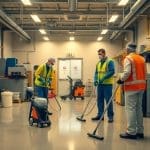
Just as a clean workspace enhances productivity, utilizing industrial cleaning services is vital for ensuring a safe environment. By implementing the right cleaning practices, you can significantly reduce risks associated with accidents and health hazards in your facility. This blog post outlines the top eight steps you can take to uphold safety standards and maintain a hygienic atmosphere in your industrial setting. Learn how to effectively harness professional cleaning services to protect your workforce and preserve the integrity of your operations.
Understanding Industrial Cleaning Services
Your facility’s cleanliness is necessary for maintaining a safe and productive work environment. Industrial cleaning services specialize in the deep cleaning and maintenance of commercial spaces, particularly in sectors like manufacturing, construction, and warehousing. These services ensure that your facility meets safety regulations while enhancing overall efficiency and worker morale.
Definition and Importance
Between the various activities that occur in an industrial setting, it’s easy for dirt, debris, and hazards to accumulate. Industrial cleaning involves the thorough and systematic cleaning of operational areas, including equipment, floors, and workspaces, to ensure that you maintain a safe working environment. This practice is not only important for compliance but also for the health and safety of your employees.
Key Benefits of Professional Cleaning
Cleaning your industrial facility with professional services offers a range of advantages that can significantly enhance operations. By hiring experts, you ensure that all cleaning tasks are performed to the highest standard, which helps in prolonging the lifespan of equipment and facilities.
With professional cleaning services, you gain access to specialized knowledge and superior cleaning techniques that general cleaning may lack. This not only helps ensure that your workplace meets safety and health standards but also minimizes the risk of accidents. Furthermore, a clean environment boosts employee morale and productivity, creating a positive workspace that reflects your commitment to quality and safety. Investing in professional cleaning ultimately leads to a more efficient and effective operation, saving you time and resources in the long run.
Conducting a Thorough Risk Assessment
Any responsible business should prioritize conducting a thorough risk assessment to ensure a safe working environment. This involves identifying potential hazards present in the workplace and evaluating the level of risk they pose to employees and equipment. By systematically assessing these risks, you can develop strategies to mitigate them, ultimately promoting a culture of safety and compliance with industry regulations.
Identifying Potential Hazards
Above all, identifying potential hazards is the first step in your risk assessment process. This includes evaluating environmental factors, equipment usage, chemical exposures, and workplace practices. By gathering input from employees and using safety checklists, you can gain a well-rounded understanding of the hazards that exist in your facility and begin to address them effectively.
Implementing Control Measures
Implementing control measures is key to effectively managing risks identified during the assessment. This involves introducing safety protocols, proper training programs, and using appropriate personal protective equipment (PPE) tailored to your specific work environment.
Hence, implementing control measures not only minimizes the potential for accidents but also fosters a proactive culture of safety within your organization. You should regularly review and update these measures to ensure they remain effective, particularly as new hazards may arise or as your work processes evolve. Involve your team throughout this process, as their feedback can lead to improved practices and enhance overall workplace safety.
Establishing Cleaning Protocols
It is vital to establish comprehensive cleaning protocols tailored to your industrial environment. These protocols not only guide your cleaning staff but also ensure that you maintain a consistently safe and sanitary workspace. Addressing specific needs, including the type of materials used and the frequency of cleaning, will help you create an effective plan that meets industry standards and regulations.
Frequency of Cleaning Tasks
For optimal cleanliness, you should determine the frequency of cleaning tasks based on the nature of your operations. High-traffic areas and spaces with heavy machinery may require daily cleaning, while less frequently used areas could be maintained on a weekly or monthly basis. This strategic approach helps you allocate resources efficiently and safeguards your facility’s overall hygiene effectively.
Specialized Equipment and Techniques
Around industrial environments, using specialized equipment and techniques can enhance the effectiveness of your cleaning protocols. These tools are designed to tackle the unique challenges posed by your operations, ensuring that dirt, debris, and contaminants are thoroughly removed. By incorporating advanced technologies, you can not only improve cleanliness but also extend the lifespan of your facilities and equipment.
Another advantage of utilizing specialized equipment and techniques is that they often minimize the use of harmful chemicals, making your cleaning process more environmentally friendly. Utilizing high-efficiency particulate air (HEPA) filters, steam cleaners, and floor scrubbers can significantly enhance your cleaning efforts without compromising safety. Additionally, ongoing training for your cleaning team on the latest technologies ensures that your facility remains in compliance with industry standards. Prioritizing these advanced methods will contribute to a healthier, more productive work environment for you and your team.
Training and Certification of Cleaning Staff
After investing in industrial cleaning services, it’s vital to ensure that your cleaning staff undergoes appropriate training and certification. Well-trained professionals are equipped with the necessary skills and knowledge to handle the unique challenges presented by industrial environments, ensuring a higher standard of cleanliness and safety. This not only enhances the overall effectiveness of cleaning operations but also minimizes potential risks associated with improper cleaning methods.
Importance of Proper Training
The training of your cleaning staff holds significant importance in maintaining a safe environment. When your team is well-versed in the latest cleaning techniques and safety protocols, they can efficiently tackle hazards and prevent accidents, while also enforcing hygiene standards that protect the health of everyone in the workspace.
Ensuring Compliance with Safety Standards
The compliance of your cleaning staff with safety standards is fundamental to minimizing risks in industrial settings. This ensures that all cleaning practices align with industry regulations, helping to protect not just the staff, but also the people who work in the facility.
Indeed, maintaining compliance with safety standards involves regular training updates and certification renewals for your cleaning staff. As regulations and best practices continually evolve, staying informed is vital. By providing ongoing education and practical training, you ensure that your team is not only knowledgeable about current safety guidelines but is also prepared to implement them effectively in daily operations. This commitment to compliance helps foster a safer workplace and instills confidence in your employees regarding their safety and well-being.
Choosing the Right Industrial Cleaning Service
Not every industrial cleaning service will meet your specific needs. To ensure a safe and efficient working environment, you must choose a provider that aligns with your standards and expectations. Researching options, checking references, and assessing credentials can help you identify the right team of professionals equipped to handle your facility’s unique challenges.
Factors to Consider
By carefully evaluating various aspects of a cleaning service, you can make an informed choice. Consider the following:
- Experience in your industry
- Range of services offered
- Certifications and safety standards
- Customer reviews and testimonials
- Availability and response time
This will ensure you select a service that prioritizes safety and efficiency.
Evaluating Service Providers
Along with understanding what you need, it’s vital to evaluate the service providers you are considering. Look into their operational procedures, safety protocols, and equipment used. This insight will help you determine if they align with your expectations for maintaining a safe and clean environment.
Understanding the nuances of potential service providers is fundamental in making an informed decision. Analyze their track record of safety and reliability, inspect their quality assurance processes, and review their training protocols for staff. These elements can indicate their commitment to providing top-notch cleaning services tailored to your facility’s demands.
Regular Monitoring and Feedback
For maintaining a safe environment within your facility, regular monitoring and feedback are necessary components. By consistently evaluating the effectiveness of industrial cleaning services, you can identify areas that need improvement and ensure compliance with safety standards. This proactive approach will help you mitigate risks and enhance the overall safety of your workplace.
Importance of Continuous Improvement
Across industries, the commitment to continuous improvement is vital for ensuring the highest safety standards. By fostering a culture of evaluation and enhancement, you can adapt to new challenges and evolving best practices, which ultimately protects both your employees and your premises.
Utilizing Feedback for Enhancements
Among the best strategies for effective industrial cleaning is the use of feedback as a tool for enhancements. By actively seeking input from your staff and cleaning professionals, you can identify specific needs and opportunities for refining processes, thereby elevating the overall standard of cleanliness and safety.
At your facility, utilizing feedback for enhancements means engaging with both your team and your cleaning service providers to gather insights on performance. Regular discussions can shed light on challenges faced during cleaning operations or highlight specific areas that might require extra attention. By addressing these points, you can implement changes that lead to improved cleaning protocols, ensuring that your environment remains not only clean but also safe for everyone involved.
Final Words
Summing up, implementing the top eight steps for maintaining a safe environment with industrial cleaning services is crucial for protecting your workforce and assets. You should prioritize regular inspections, ensure proper training for cleaning personnel, use appropriate cleaning agents, and maintain clear communication about safety protocols. By fostering a culture of safety and diligence, you will enhance operational efficiency and create a healthier workspace. Taking these proactive measures will not only comply with regulations but also demonstrate your commitment to a safe and productive environment.