Many medical cleaning professionals face the ongoing challenge of maintaining impeccable restroom sanitization. In environments where health and safety are paramount, the standards for cleanliness must be exceptionally high. This guide will walk you through six necessary steps that will empower you to achieve and maintain the highest levels of restroom hygiene in your medical facilities. By implementing these steps, you’ll enhance the safety and comfort of patients and staff alike, ensuring that your cleaning protocol is both effective and efficient.
Importance of Restroom Sanitization in Medical Settings
Your facility’s restroom sanitization is important in medical settings to ensure a safe and healthy environment for patients and staff. These areas are high-traffic zones, where the risk of contamination is significantly greater. By prioritizing restroom cleanliness, you contribute to the overall safety of your facility, reduce infection transmission, and enhance the quality of care you provide.
Health Risks of Poor Sanitization
Around medical facilities, ineffective restroom sanitation can lead to severe health risks, including the spread of infectious diseases. Bacteria and viruses thrive in unclean environments, posing threats to vulnerable patients, such as those with weakened immune systems. Poor hygiene practices in restrooms can result in outbreaks that impact not only patients but also staff and visitors, potentially leading to increased healthcare costs and liability issues.
Compliance with Health Regulations
Importance of complying with health regulations cannot be overstated in medical cleaning services. Adhering to these guidelines is important for maintaining patient safety and trust. Neglecting restroom sanitation can result in penalties and a tarnished reputation for your facility.
Consequently, following health regulations is imperative for minimizing liabilities and ensuring a safe environment for everyone. Compliance not only protects the well-being of patients but also upholds the integrity of your facility. Regular audits and staff training help maintain these standards and demonstrate your commitment to health and safety, fostering trust among patients and staff alike.
Step 1: Assessing Restroom Sanitization Needs
Assuming you want to implement effective sanitization processes, the first step is to assess your restroom’s specific needs. This involves evaluating the level of usage, user demographics, and the types of procedures performed in your facility. By conducting a thorough evaluation, you can tailor your cleaning strategies to maximize efficiency and effectiveness, ultimately ensuring a safe environment for patients and staff alike.
Identifying High-Touch Areas
Before you begin your sanitization efforts, it is crucial to identify high-touch areas within the restroom. These surfaces, such as door handles, faucet handles, and light switches, are frequently in contact with hands and can harbor harmful bacteria and viruses. By prioritizing cleaning efforts in these locations, you can significantly reduce the risk of infection transmission.
Understanding Infection Control Protocols
An understanding of infection control protocols is vital for effective restroom sanitization. Familiarize yourself with the established guidelines in your facility to ensure compliance with health regulations. These protocols will inform your cleaning routines, ensuring that you are using the appropriate disinfectants and techniques to eliminate pathogens and maintain a safe environment.
To effectively implement infection control protocols, you should review the guidelines provided by health organizations, such as the CDC or WHO, as well as any local regulations. It’s crucial to stay updated on best practices related to sanitization, including the appropriate types of cleaning agents and methods for various surfaces. Additionally, consider regular training for your cleaning staff, ensuring they are well-versed in these protocols and can recognize areas that require extra attention. This knowledge not only promotes staff confidence but also fosters a culture of safety within your facility.
Step 2: Choosing the Right Cleaning Agents
Some cleaning agents can significantly impact the effectiveness of your restroom sanitization efforts. As a professional in medical cleaning services, it’s vital to select products that not only effectively eliminate pathogens but are also safe for the environment and your staff. Understanding the differences between chemical and green cleaners will guide you in making informed decisions that enhance the sanitization process without compromising health and safety.
Chemical vs. Green Cleaners
Step into the conversation surrounding cleaning agents by evaluating the pros and cons of chemical versus green cleaners. Chemical cleaners often provide robust disinfection abilities, which is particularly important in medical environments. However, green cleaners can offer a safer alternative, reducing the risks of exposure to harsh chemicals for staff and patients alike, while still maintaining an effective level of sanitation.
Importance of EPA Registration
Behind every effective cleaning product must be the assurance of safety and efficacy, which is where EPA registration comes into play. Using EPA-registered products ensures they meet specific standards for health and environmental safety. Products not registered with the EPA may not have undergone rigorous testing, posing potential risks for your facility.
Chemical cleaners that are EPA registered usually undergo extensive scrutiny to determine their safe use in various settings, including healthcare facilities. This registration verifies that these products are effective against common pathogens and do not pose significant risks to human health or the environment when used according to the manufacturer’s guidelines. By prioritizing EPA-registered cleaners in your cleaning regimen, you contribute to a safer and healthier restroom environment for both patients and staff.
Step 3: Implementing Effective Cleaning Techniques
For successful restroom sanitization in medical cleaning services, it’s vital to implement effective cleaning techniques tailored to the unique demands of healthcare environments. Focus on using appropriate cleaning agents, applying proper techniques, and ensuring thoroughness to mitigate the risk of contamination. This process involves strategically targeting high-touch surfaces and following strict protocols to maintain a safe and hygienic restroom environment.
Proper Use of Personal Protective Equipment (PPE)
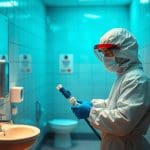
Around every cleaning task, the use of Personal Protective Equipment (PPE) is paramount. Ensure you are equipped with gloves, masks, and goggles, as these safeguards protect you from chemical exposure and harmful pathogens. Properly donning and doffing your PPE is vital to maintain safety and minimize cross-contamination in sensitive medical settings.
Three-Step Cleaning Method
Against common challenges, the Three-Step Cleaning Method provides an effective framework for thorough restroom sanitation. This approach involves cleaning, disinfecting, and drying surfaces to ensure a comprehensive sanitization process. By breaking down the task into these three steps, you can optimize your efficiency and effectiveness in maintaining a germ-free environment.
Also, the Three-Step Cleaning Method enhances your cleaning effectiveness. Start by cleaning surfaces with an appropriate cleaner to remove dirt and debris, then apply a disinfectant to eliminate pathogens, and finally, ensure that surfaces are thoroughly dried. This method not only reduces the chance of cross-contamination but also ensures that disinfectants work effectively by staying in contact with surfaces long enough to kill harmful germs. Implementing this structured approach allows you to achieve optimal sanitation outcomes with every cleaning session.
Step 4: Establishing a Cleaning Schedule
To ensure effective restroom sanitization, you must establish a cleaning schedule tailored to the specific needs of your facility. A well-defined schedule will help you maintain consistency, allowing your staff to allocate adequate time and resources for thorough cleaning. This routine not only promotes a healthier environment but also enhances the reputation of your medical cleaning services by demonstrating your commitment to hygiene and safety.
Frequency of Cleanings
Cleaning schedules should outline the frequency of cleanings based on high-traffic areas and the nature of your facility. Regular cleanings, particularly in restrooms, should happen multiple times a day. Daily touchpoint disinfecting is vital to prevent the spread of infections, while deeper cleans should occur at designated intervals to maintain cleanliness standards.
Documentation and Traceability
Establishing a system for documentation and traceability is vital for maintaining accountability in your cleaning operations. This process involves keeping detailed records of the cleaning activities performed, including the staff involved, the time taken, and the products used. Not only does this practice provide insight into the effectiveness of your cleaning routine, but it also serves as proof of compliance with health and safety regulations.
And by implementing an organized documentation system, you can quickly identify trends, areas needing improvement, and ensure that all tasks are completed as scheduled. This transparency helps foster a culture of accountability among your cleaning staff and allows you to demonstrate your adherence to cleaning protocols during audits or inspections. A thorough documentation process ultimately enhances the overall effectiveness of your sanitization efforts.
Step 5: Training Staff on Best Practices
After establishing a robust cleaning protocol, it is imperative to train your staff on best practices for restroom sanitization. Your team must be well-versed in the appropriate cleaning techniques, products, and safety measures to ensure that the medical environment remains sterile and safe for patients and staff alike. Engaging training sessions will help instill a culture of cleanliness and accountability, which is vital in medical settings.
Importance of Continuous Education
Across the medical cleaning industry, maintaining high standards requires ongoing education and training. As new products and techniques emerge, you should prioritize regular training sessions to keep your staff informed about the best practices in restroom sanitization. Continuous education not only enhances the skill set of your team but also fosters an environment where everyone is committed to excellence.
Feedback and Performance Assessment
Behind every successful cleaning operation is a system of feedback and performance assessment. You should regularly evaluate your staff’s adherence to sanitization protocols and provide constructive feedback to help them improve. This step allows you to identify strengths and areas for development within your team, ensuring that high standards are met consistently.
Also, conducting regular performance assessments can highlight trends and areas needing attention within your cleaning processes. Aggregate feedback from multiple sources, including peer reviews and self-assessments, will provide a comprehensive view of each team member’s effectiveness. Utilizing this information not only helps in addressing training gaps but also empowers your staff to take ownership of their work, ultimately enhancing the overall sanitization efforts in your medical facility.
Conclusion
Considering all points, mastering restroom sanitization in medical cleaning services is necessary for maintaining a safe and healthy environment. By following the six steps outlined, you can ensure that your practices are effective and compliant with health standards. Emphasizing thoroughness, proper product usage, and regular training will enhance your cleaning procedures. Ultimately, your commitment to excellence in sanitization not only protects patients and staff but also upholds the integrity of your facility.
FAQ
Q: What are the key steps involved in restroom sanitization for medical cleaning services?
A: The key steps involved in restroom sanitization include the following: 1) Preparation: Gather all necessary cleaning supplies and personal protective equipment (PPE). 2) Disinfection: Apply appropriate disinfectants to surfaces, including high-touch areas such as door handles and faucets. 3) Scrubbing: Use scrubbing tools to clean surfaces and fixtures to remove dirt and stains. 4) Rinsing: Rinse off surfaces to ensure all cleaning agents are removed. 5) Drying: Allow surfaces to dry completely to prevent bacterial growth. 6) Final inspection: Conduct a thorough inspection to ensure all areas have been properly cleaned and sanitized. Each of these steps plays a role in maintaining a healthy environment in medical facilities.
Q: How often should restrooms in medical facilities be sanitized?
A: Restrooms in medical facilities should ideally be sanitized multiple times a day, especially depending on the traffic and usage levels. High-traffic areas may need attention every few hours, while facilities with lower usage may require sanitization a few times a day. It’s imperative to develop a cleaning schedule that aligns with the specific needs of the facility to ensure high standards of cleanliness and safety are consistently upheld.
Q: What types of cleaning products are most effective for restroom sanitization in a medical setting?
A: It is important to use EPA-approved disinfectants that are effective against a broad spectrum of pathogens, including bacteria and viruses. Look for products labeled as tuberculocidal, virucidal, and bactericidal. Common choices include quaternary ammonium compounds, hydrogen peroxide-based cleaners, and bleach solutions (when used in appropriate concentrations). Moreover, it’s vital to follow the manufacturer’s instructions regarding contact time to ensure the disinfectants are effective. Always prioritize products that are suitable for the specific surfaces being cleaned to prevent damage.